Why Fabric Matters in Abaya Fashion
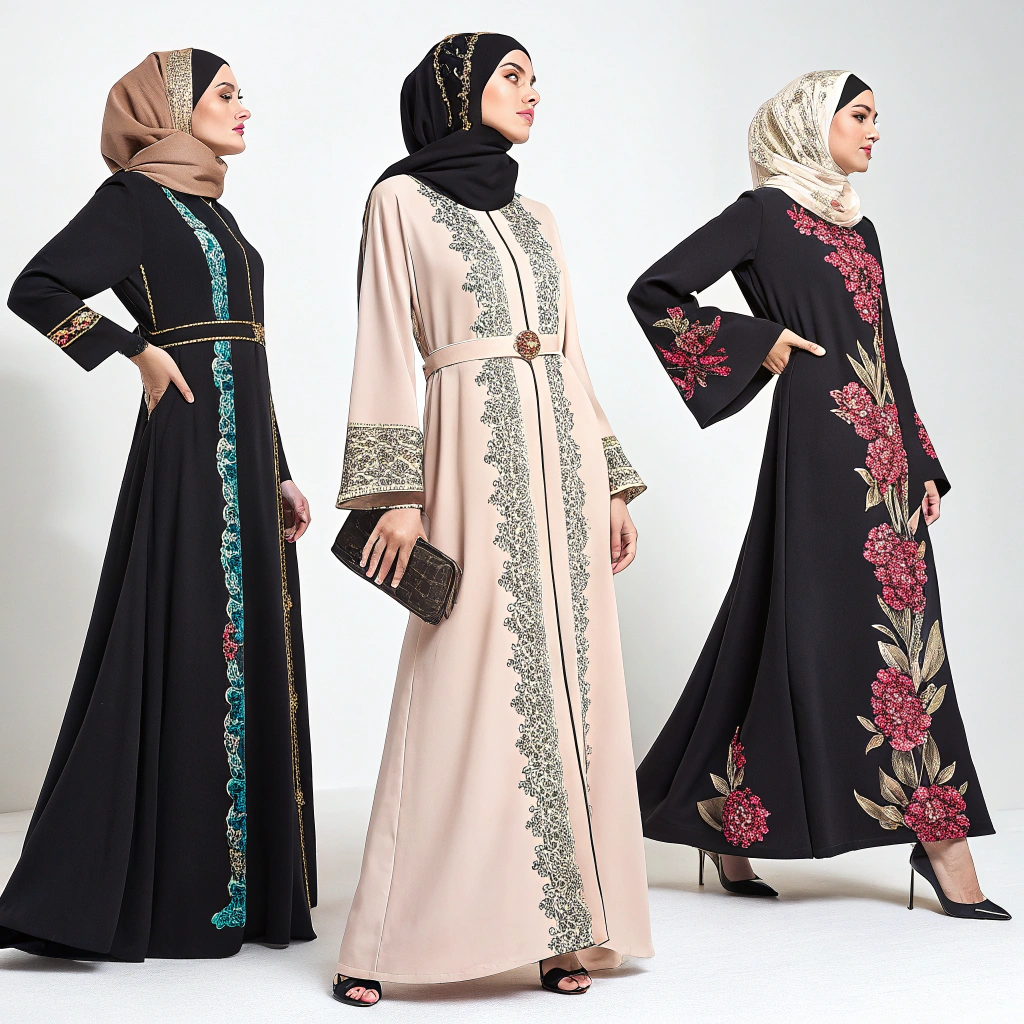
When choosing an abaya, many women focus on design, embroidery, or brand name. But in reality, the fabric is the foundation of your outfit. The right fabric determines how the abaya drapes, how comfortable it feels throughout the day, how easy it is to care for, and even how long it lasts.
Think of it this way: a beautiful design stitched from the wrong fabric may look elegant at first but could quickly lose shape, wrinkle easily, or feel heavy and uncomfortable. On the other hand, a simple abaya made from high-quality fabric can look effortlessly graceful, stay wrinkle-free, and give you confidence in every step.
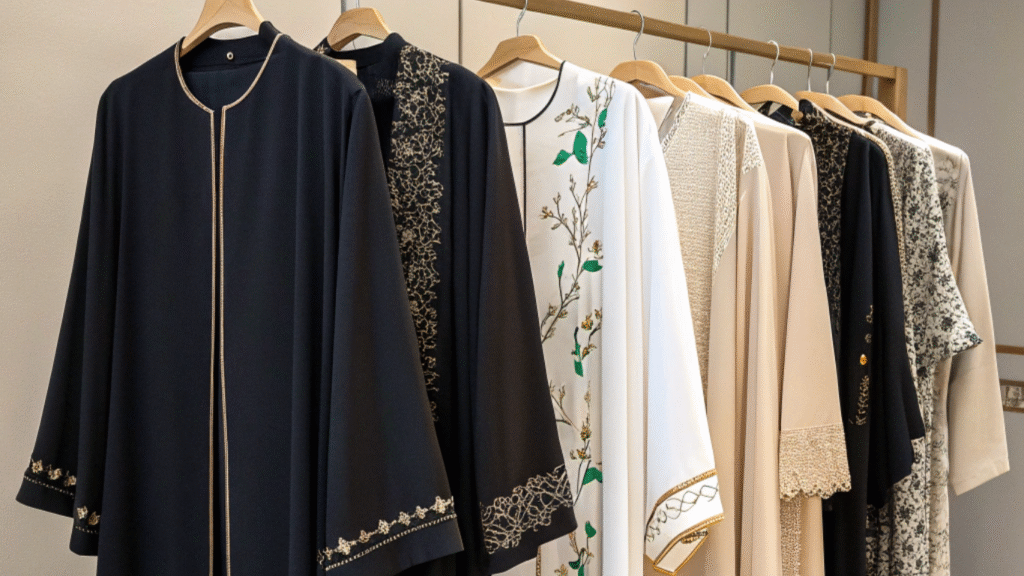
From lightweight chiffon abayas for summer evenings to luxurious velvet abayas for winter weddings, every fabric tells a different story. This ultimate guide breaks down the most popular abaya fabrics with a detailed comparison chart, fabric-by-fabric analysis, seasonal styling recommendations, and tips to help you choose wisely.
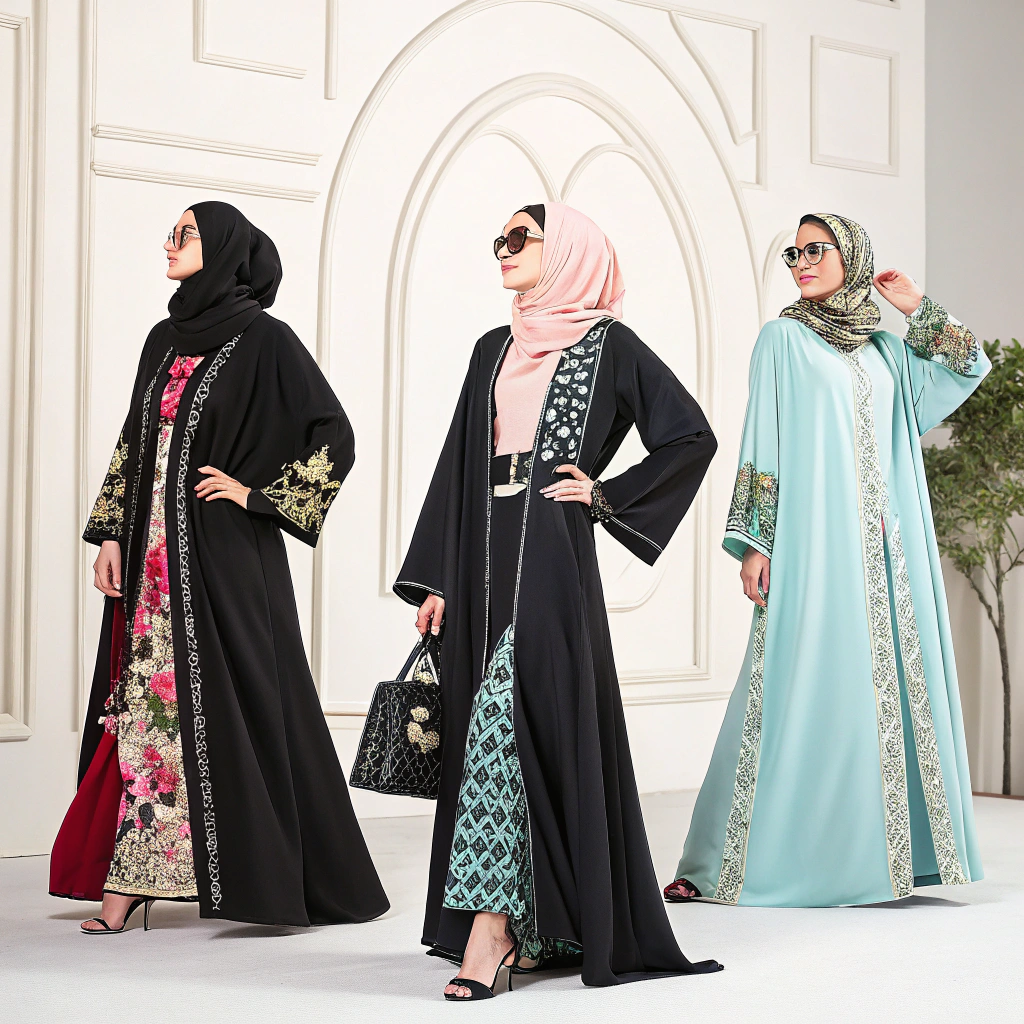
Abaya Fabrics Comparison Chart
| Fabric Type | Texture & Feel | Best For | Pros | Cons | Care Tips |
|---|---|---|---|---|---|
| Chiffon | Lightweight, sheer, flowy | Summer, layering, formal wear | Elegant drape, breathable | Needs lining, delicate | Hand wash or gentle cycle |
| Crepe | Soft, slightly textured | Everyday wear, office, events | Wrinkle-resistant, versatile | Can feel heavy in summer | Machine wash, low iron |
| Silk | Smooth, luxurious, glossy | Weddings, parties, luxury abayas | Premium look, drapes beautifully | Expensive, delicate | Dry clean only |
| Satin | Shiny, silky surface | Evening wear, festive abayas | Glamorous finish, elegant flow | Can snag, less breathable | Dry clean or gentle wash |
| Cotton | Soft, breathable, natural | Casual wear, hot climates | Comfortable, hypoallergenic | Wrinkles easily, fades | Machine wash, low iron |
| Linen | Crisp, airy, textured | Summer & resort wear | Cooling, eco-friendly | Creases quickly | Hand wash or low-temp wash |
| Jersey | Stretchy, soft knit | Travel, maternity abayas | Comfortable, easy to move in | Less formal | Machine wash, tumble dry low |
| Nidha | Soft, flowy, premium synthetic | Luxury everyday wear | Elegant, crease-resistant | Pricier than crepe | Dry clean recommended |
| Velvet | Plush, soft, thick | Winter, formal occasions | Warm, luxurious | Heavy, seasonal | Dry clean only |
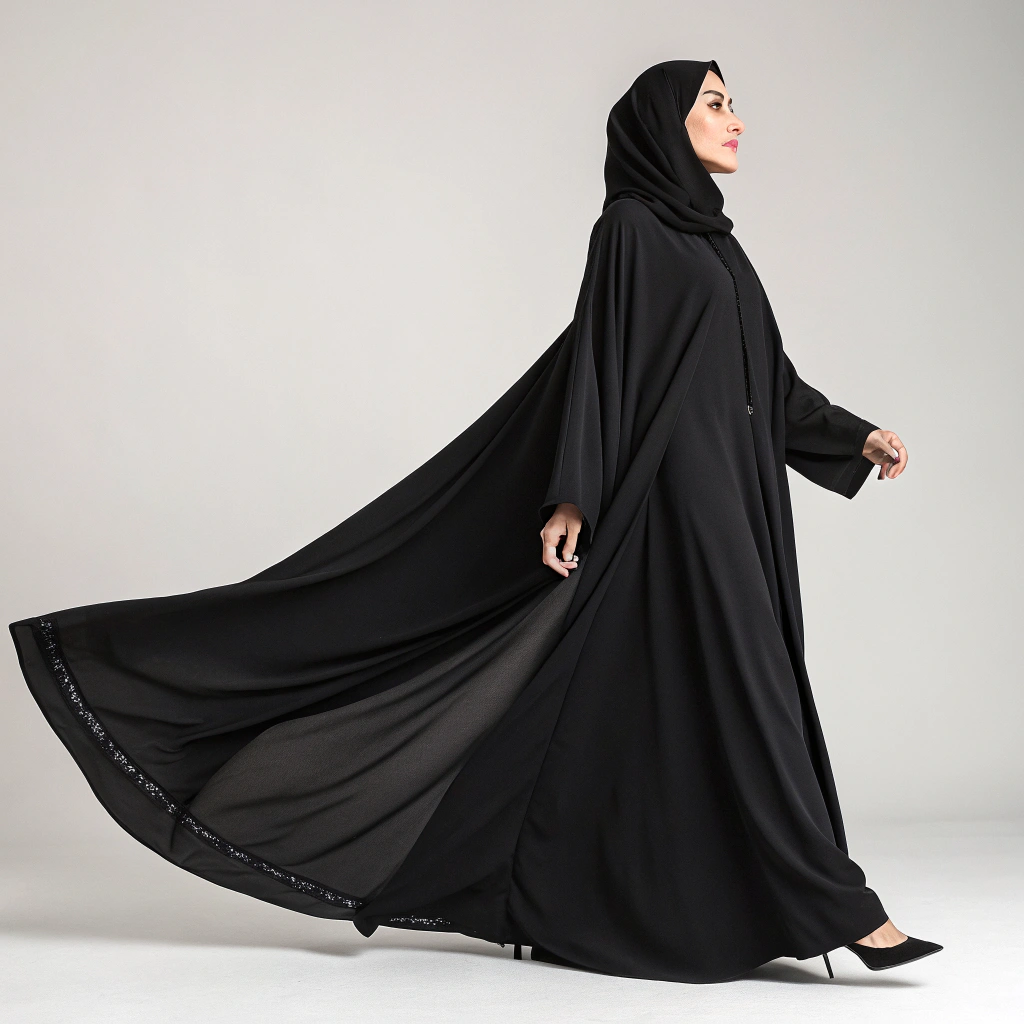
Chiffon Abayas – Light & Airy Elegance
Chiffon is one of the most popular abaya fabrics for women who love flowy, elegant outfits. This fabric is lightweight, sheer, and slightly transparent, which is why chiffon abayas are often paired with slips or inner dresses for modest coverage.
Chiffon abayas are best for hot summers, weddings, and layering with embellished pieces. They drape beautifully and give an effortlessly elegant vibe. The downside is that chiffon can snag easily and needs delicate care.
A pastel chiffon abaya with pearl detailing is perfect for summer weddings. For everyday use, layering chiffon over a cotton slip balances modesty with style. Hand wash chiffon in cold water and avoid high heat ironing to keep its delicate flow intact.
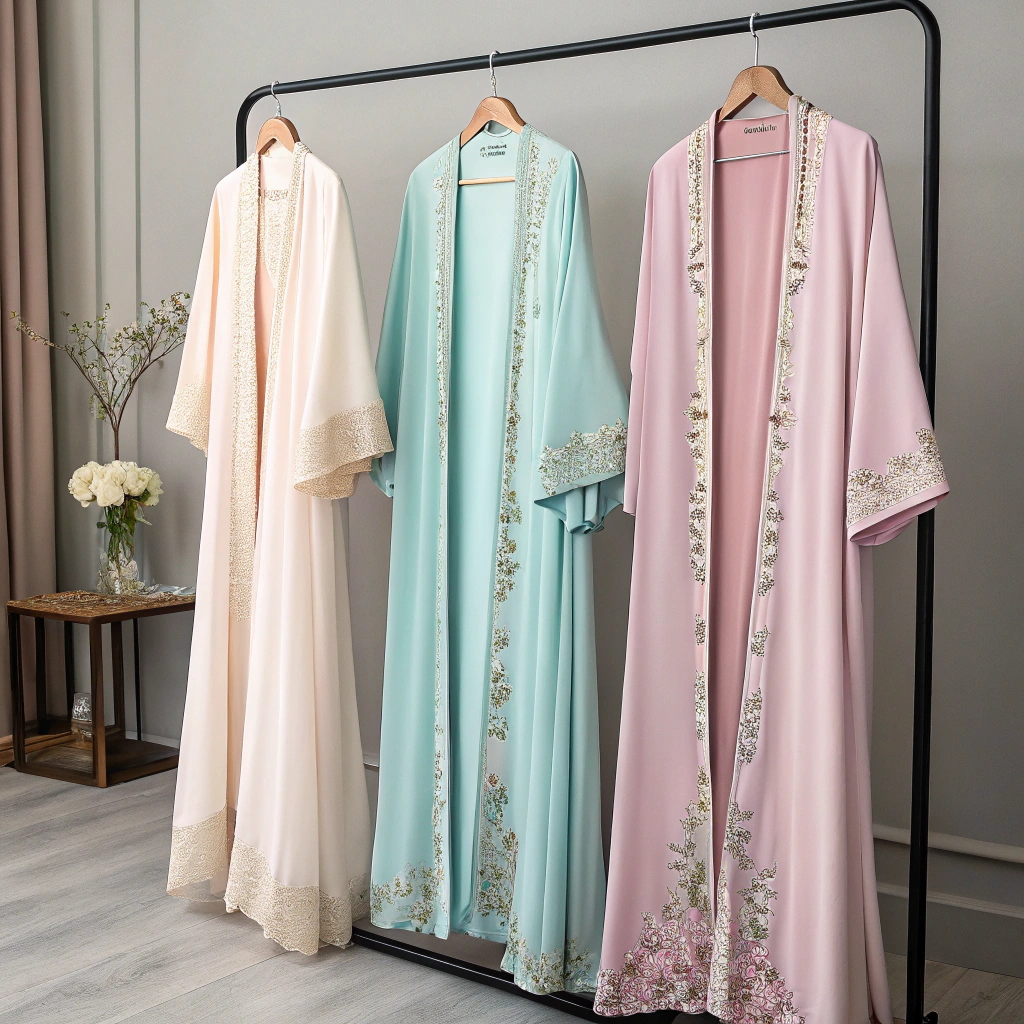
Crepe Abayas – Everyday Chic
Crepe abayas are a favorite because of their versatility and practicality. Crepe has a slightly textured surface that makes it wrinkle-resistant and easy to wear all day without looking untidy.
They are best for office wear, casual outings, and semi-formal events. Crepe abayas are durable, low maintenance, and drape elegantly. The only drawback is that crepe can feel heavy in very humid climates.
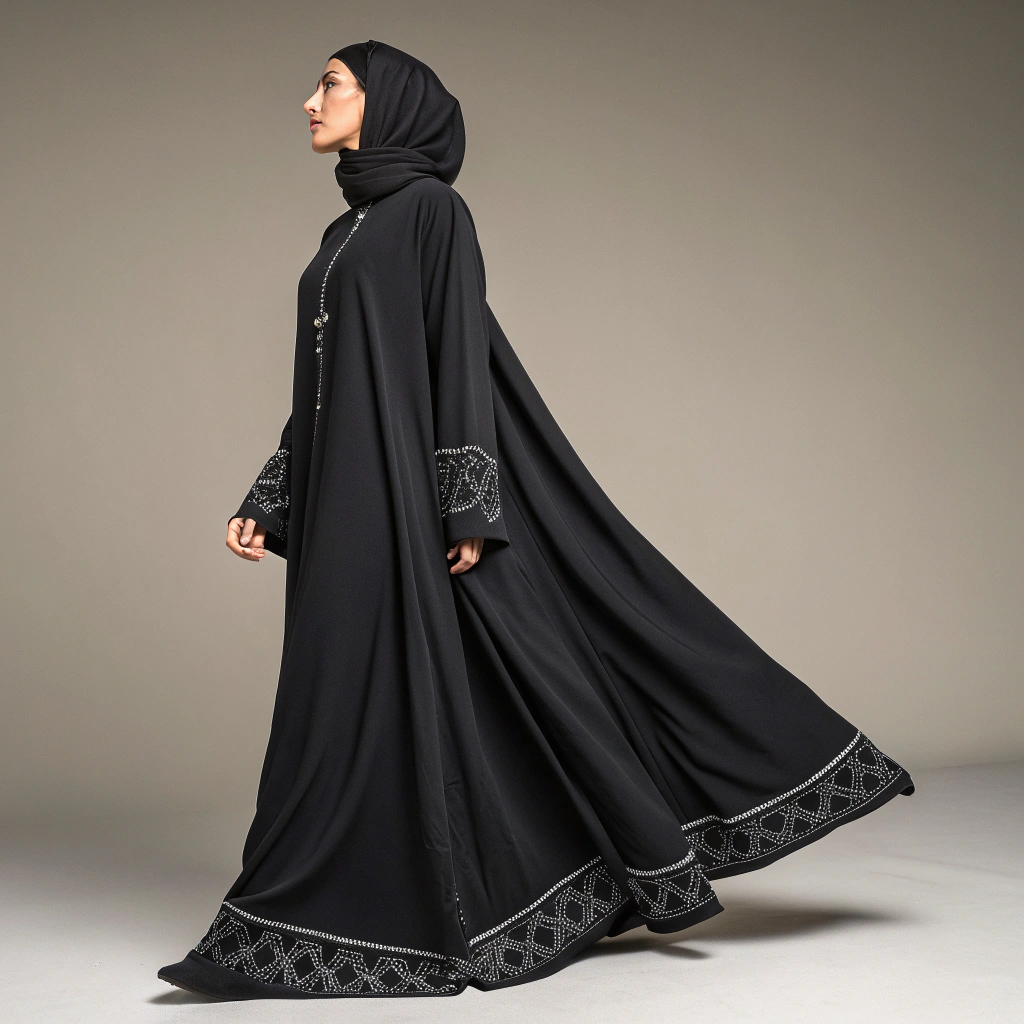
A black crepe abaya with minimal embroidery is an office wardrobe essential, while metallic accessories can elevate it for evening wear. Crepe is usually machine washable, but low-heat ironing is recommended to maintain texture.
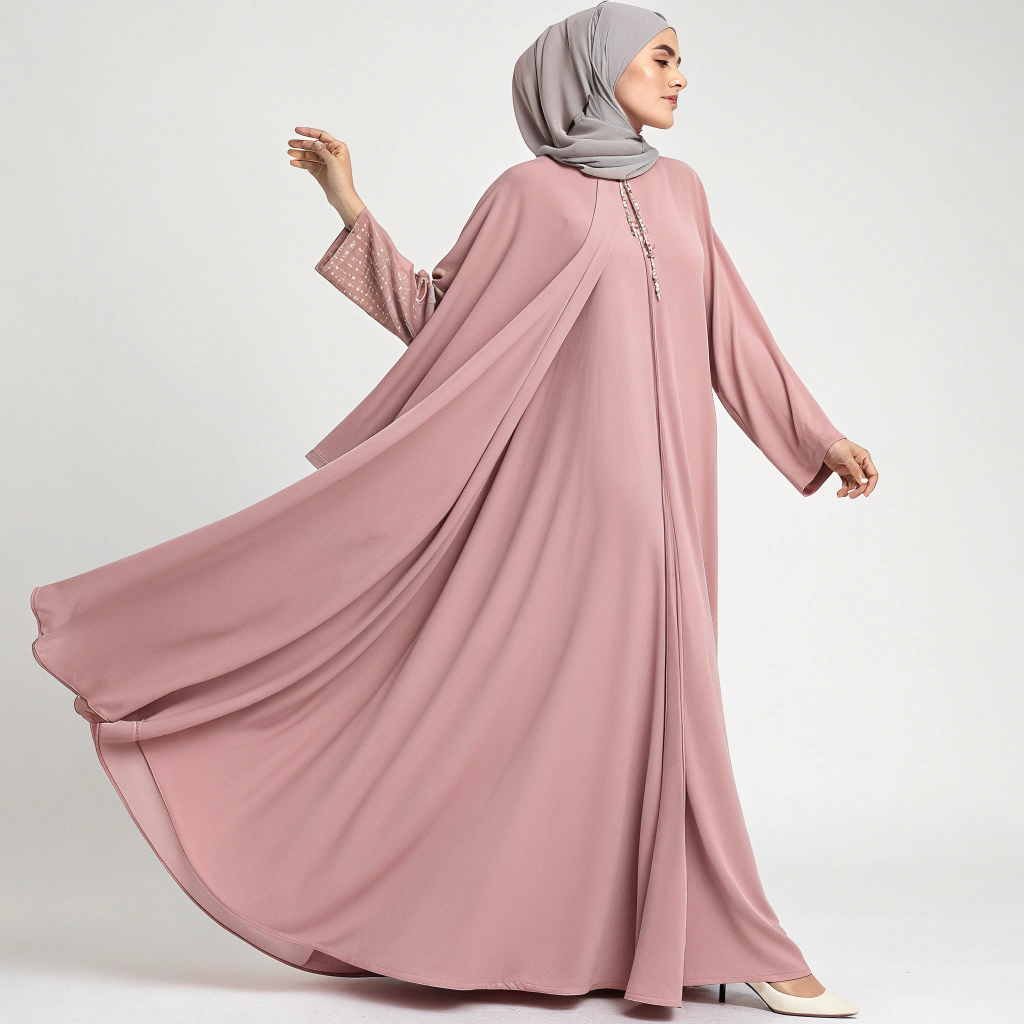
Silk Abayas – Pure Luxury
Silk is the fabric of royalty, and silk abayas reflect timeless elegance. Known for its glossy sheen and smooth touch, silk gives a premium look that’s unmatched.
Silk abayas are best suited for weddings, nikkah ceremonies, and Eid outfits. They feel luxurious, drape beautifully, and are lightweight yet elegant. However, silk is expensive, stains easily, and always requires dry cleaning.
A jewel-toned silk abaya with gold accessories instantly elevates your look for special occasions. Store silk pieces in breathable bags to preserve their natural sheen.
Satin Abayas – Modern Glam
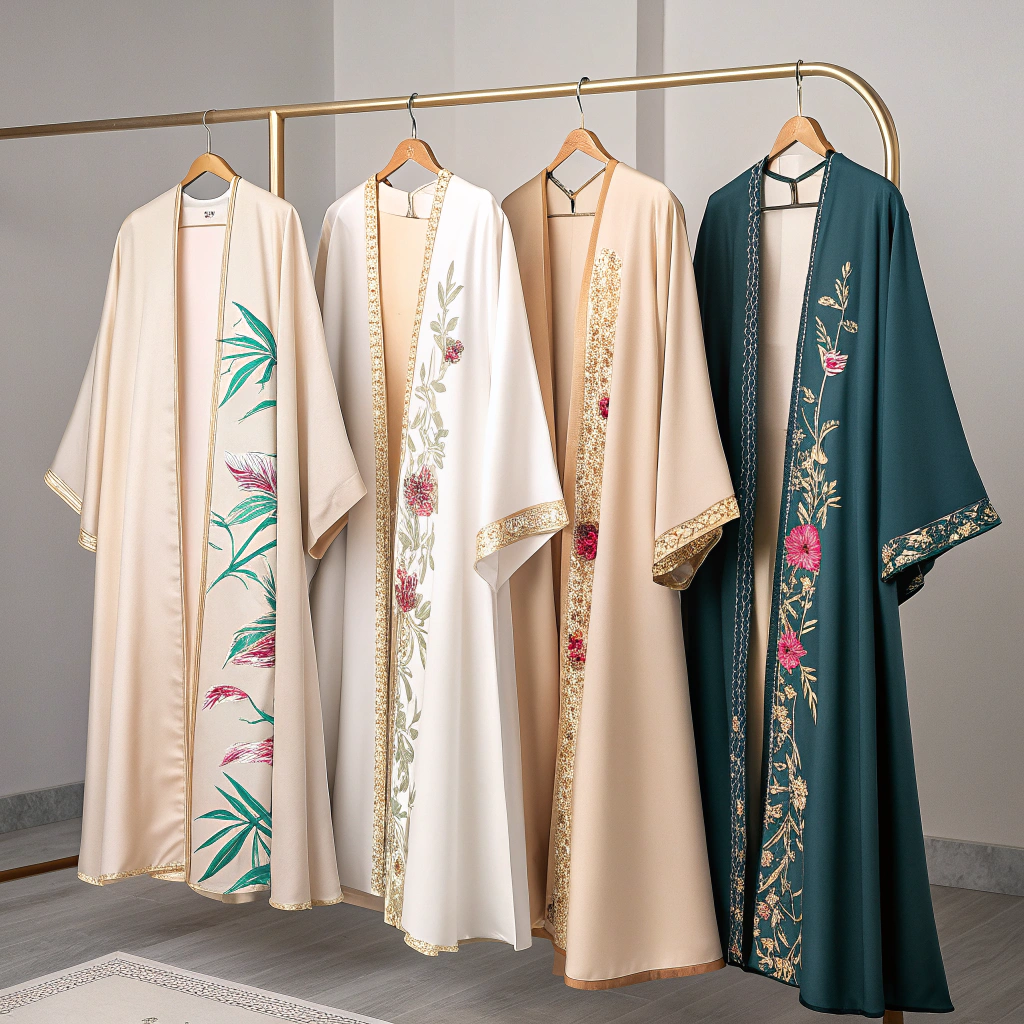
Satin abayas are gaining popularity for their glossy finish and glamorous appeal. Unlike silk, satin is often more affordable but still delivers a luxurious look.
They are best for evening wear, festive occasions, and parties. Satin abayas offer a glossy shine and smooth drape, making them ideal for glamorous outfits. The only issue is that satin is less breathable and may cling uncomfortably in hot weather.
A champagne-colored satin abaya with wide sleeves is perfect for Eid gatherings. Always wash satin in cold water on a gentle cycle and use steam instead of ironing to maintain its shine.
Cotton Abayas – Comfortable & Breathable
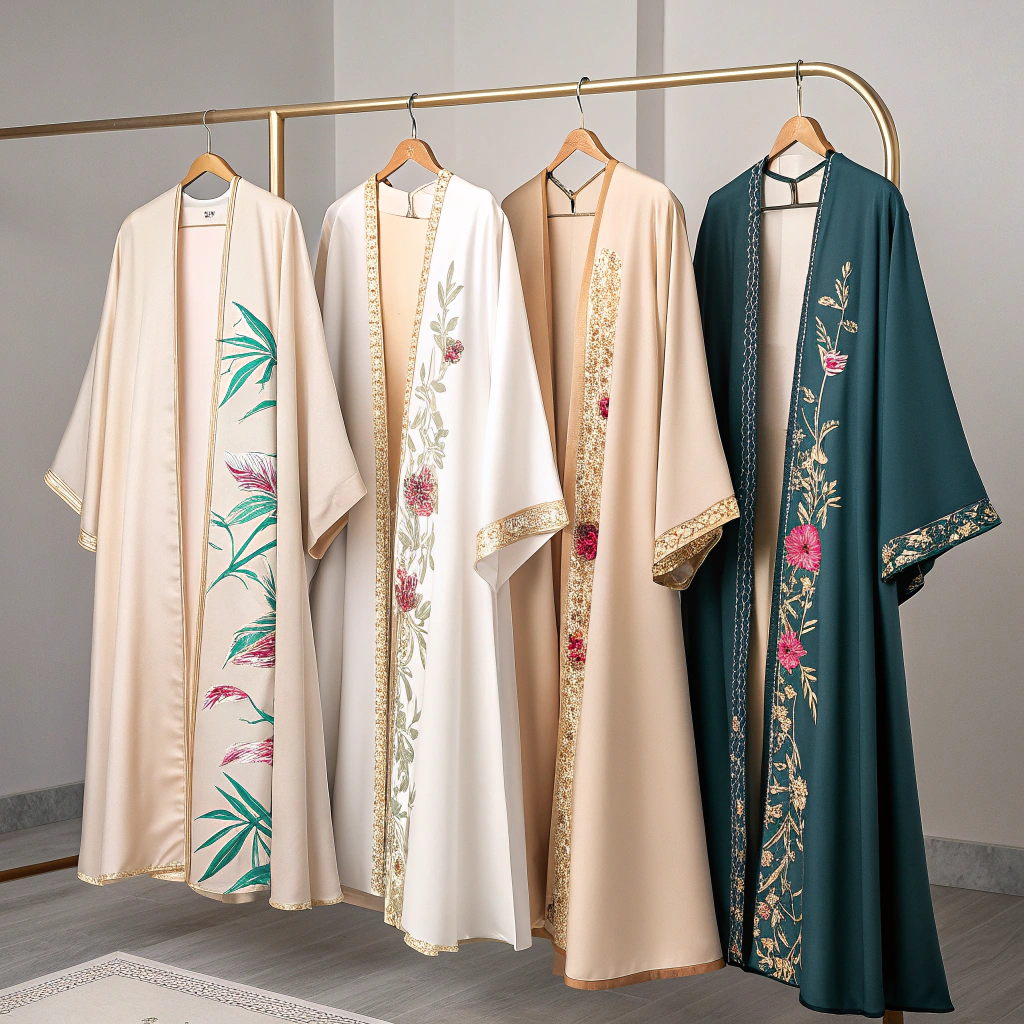
Cotton abayas are all about comfort. Soft, natural, and breathable, they’re the go-to choice for hot weather or casual daily wear.
They are best for travel, hot climates, and everyday use. Cotton abayas are comfortable, hypoallergenic, and affordable. However, they wrinkle easily and colors may fade with frequent washing.
A light-colored cotton abaya with minimal embroidery is great for summer errands or family gatherings. Wash cotton in cool water and use fabric softener for extra comfort.
Linen Abayas – The Summer Essential
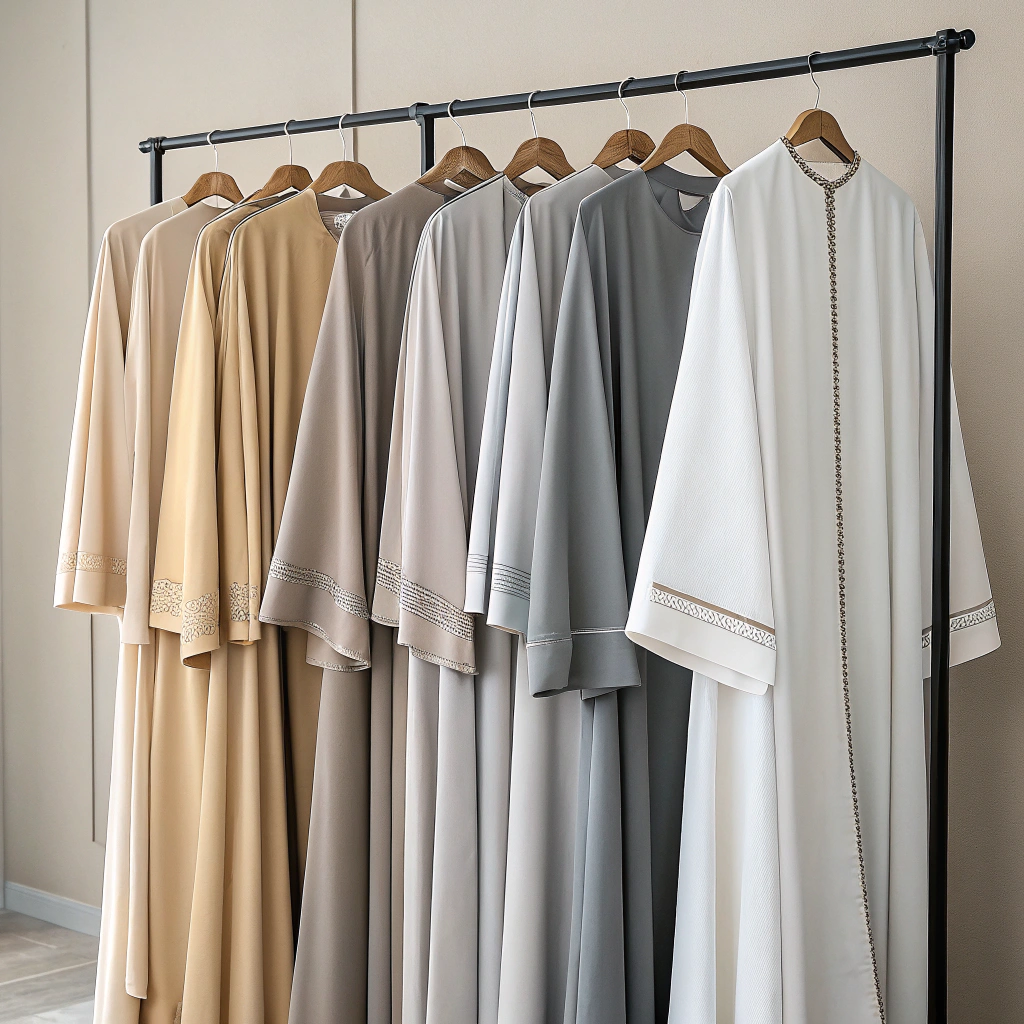
Linen is another summer-friendly fabric known for its crisp texture and cooling effect. Linen abayas are perfect for vacations, beach outings, or casual summer days.
They are best for hot and humid climates, as the fabric is breathable, eco-friendly, and lightweight. On the downside, linen creases quickly and usually needs ironing after every wash.
A white or beige linen abaya with sandals is the ultimate resort look. Wash linen gently and iron while slightly damp to reduce wrinkles.
Jersey Abayas – Stretch & Comfort
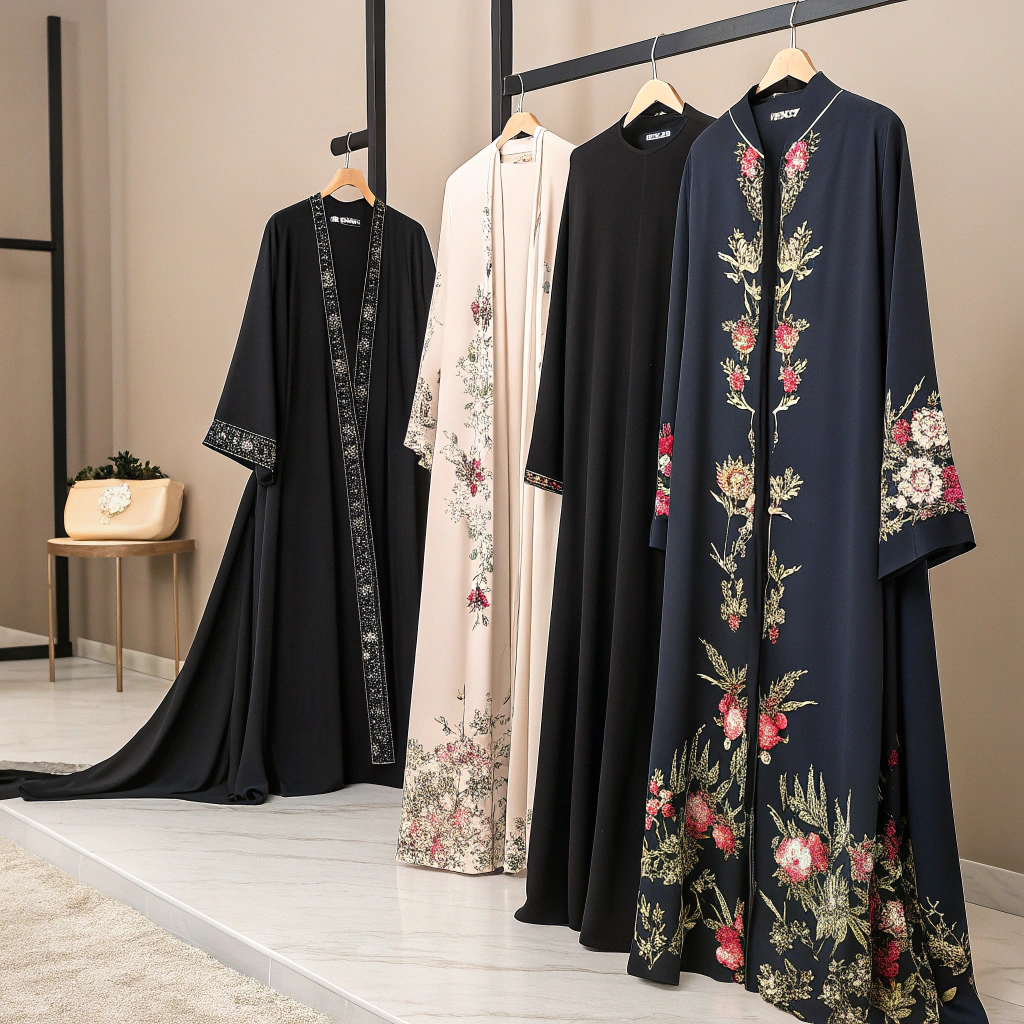
Jersey fabric is a stretchy knit, making jersey abayas perfect for women who prioritize comfort and mobility. They are especially popular among students, travelers, and expectant mothers.
Jersey abayas are best for maternity wear, long travel days, and casual outfits. They are soft, stretchable, and travel-friendly, though they look less formal and may lose shape over time.
A dark-colored jersey abaya is perfect for travel since it hides wrinkles and spills. Machine washable jersey should be dried at low heat to prevent stretching.
Nidha Abayas – Premium Everyday Luxury
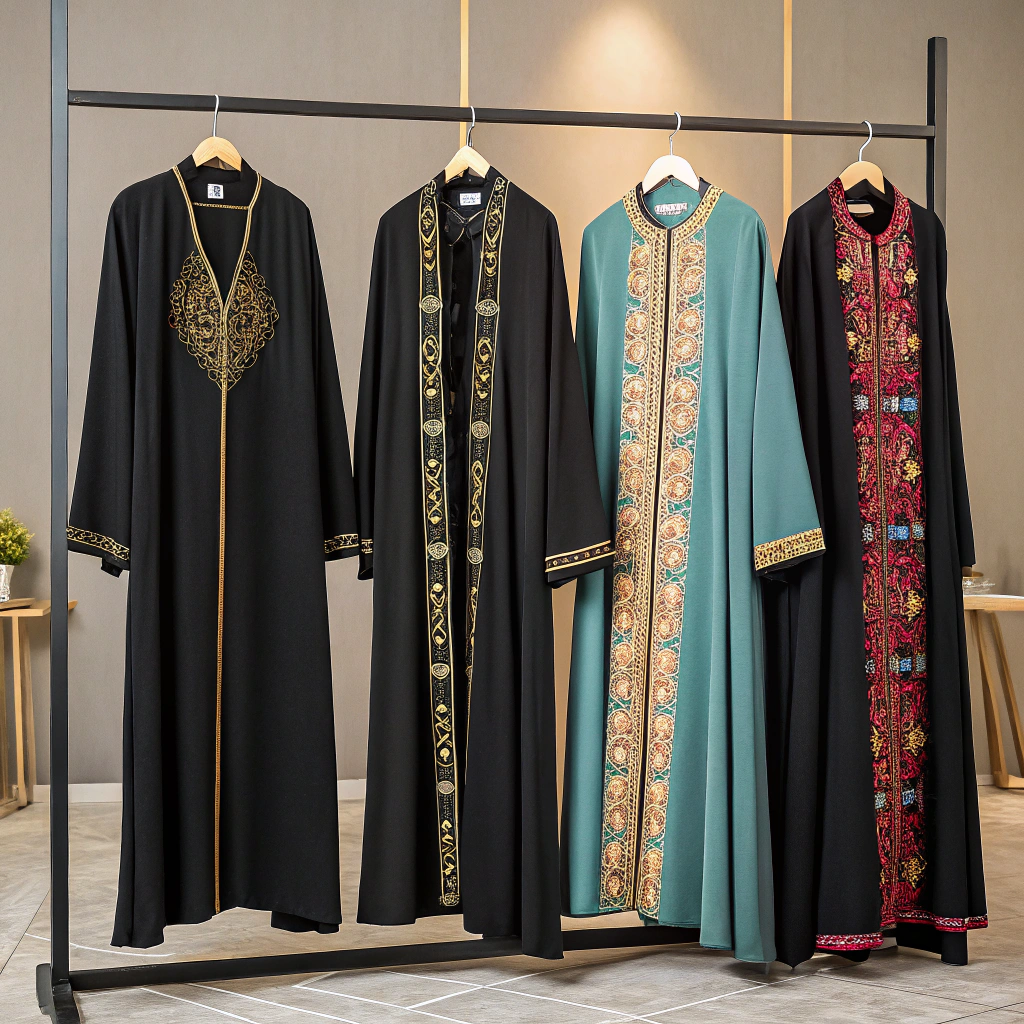
Nidha fabric is widely used in premium abayas, especially in Gulf countries. Known for its buttery softness and elegant drape, nidha abayas are the go-to choice for women who want both luxury and practicality.
They are best for everyday wear with a luxury feel and semi-formal gatherings. Nidha abayas are crease-resistant, lightweight, and elegant. The only drawback is that they’re pricier than crepe and need careful handling.
A black nidha abaya with subtle embroidery is a timeless wardrobe piece. While dry cleaning is best, high-quality nidha can also handle gentle washing.
Velvet Abayas – Winter Royalty
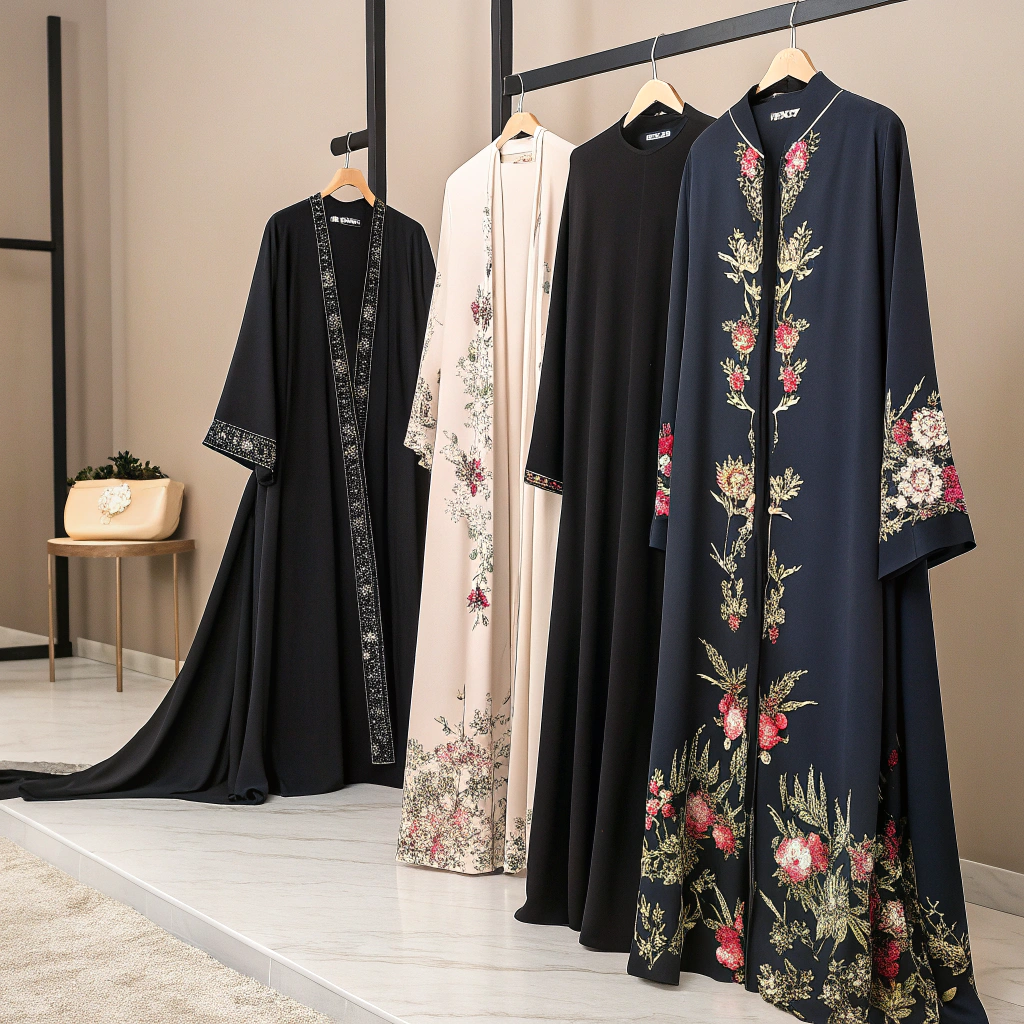
Velvet is a plush, soft fabric that screams luxury and warmth. Velvet abayas are perfect for winter occasions when you want to make a bold statement.
They are best for winter weddings, evening parties, and formal gatherings. Velvet offers warmth, rich texture, and a glamorous look. However, it is heavy, seasonal, and unsuitable for hot weather.
Go for jewel-toned velvet abayas—like emerald green or royal blue—for a regal winter look. Always dry clean velvet to maintain its softness and sheen.
Seasonal Guide: Which Fabric to Wear When?
- Summer: Chiffon, Cotton, Linen – light, breathable, and cooling.
- Spring: Crepe, Jersey – versatile fabrics that adapt well to shifting weather.
- Fall: Satin, Nidha – elegant yet practical for cooler evenings.
- Winter: Velvet, Silk – warm, luxurious, and perfect for festive occasions.
Quick Tips for Choosing the Right Abaya Fabric
Consider your lifestyle. For office and daily wear, crepe or nidha are excellent. For festive events, satin and silk are more suitable. Think about maintenance as well—cotton is easy to care for, while silk and velvet require professional cleaning. Climate also matters. If you live in a warm country, investing in chiffon, cotton, or linen makes more sense than buying heavy fabrics.
A smart idea is to build a capsule wardrobe by keeping 3–4 different fabric types. This way you’ll always have an abaya ready for every season and occasion.
Conclusion: Find Your Perfect Abaya Fabric
Your abaya is more than a garment—it’s a reflection of your lifestyle, comfort preferences, and personal style. Choosing the right fabric ensures your abaya not only looks good but also feels good to wear.
From airy chiffon for summer to luxurious velvet for winter evenings, every fabric has its own charm. The key is to invest wisely and keep a versatile collection that suits your needs year-round.
If you’re just starting your abaya collection, begin with a high-quality crepe or nidha abaya for everyday use, then gradually add seasonal fabrics like chiffon, satin, and velvet for special occasions.